
Hip To Gable vs Dormer vs Roof Light Loft Conversion
Hip to gable and roof light loft conversions solve very different problems, and neither is automatically “better” than a dormer. The right answer depends on your roof shape, your existing head height, how much new living space you want, and whether you want the simplest route or a more transformative build. At Sussex Downs Construction, we look at those practical details first, then guide clients through the design and build process from early ideas to a completed loft space.
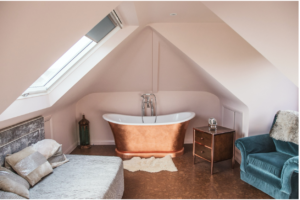
Quick Summary
A hip to gable conversion is often strongest on semi detached, detached and end of terrace homes where the sloping side roof limits usable room. A dormer usually creates the most extra floor area and head height. A roof light loft is the least invasive option, but it only works well when the loft already has enough height. The best type of conversion is the one that suits the house you already have.
What Actually Changes The Best Loft Conversion Choice
When we assess a loft conversion, we are not just comparing appearances. We are working out how the new room will function day to day, how the staircase will fit, and whether the roof structure will support the result you want. Planning permission is not always required, but it depends on the design, the property and whether permitted development rules apply.
The main factors we look at are:
- existing head height
- roof shape and structure
- how much extra living space you need
- where the staircase can go
- whether planning permission is likely to be needed
- the finish you want from the new room
When A Hip To Gable Makes Sense
A hip to gable conversion is usually best where the side of the roof slopes in and cuts down usable floor area. Extending that hip line into a vertical gable can unlock far more practical room and improve how the staircase lands. Sussex Downs Construction notes that this type is typically suited to detached, semi detached and end of terrace properties, and that it often creates enough room for two bedrooms and a bath or shower room. For families trying to gain serious space in your home rather than just improve access to the loft, hip to gable is often the strongest option.
Where A Dormer Usually Wins
If the goal is maximum usable floor area and better head height, a dormer is often the most effective type of conversion. It reshapes part of the roof, adds internal volume and can make furniture layout much easier than relying on the original roof slopes. On many homes, that makes it the best route for an extra bedroom, home office or main suite. It also works well alongside roof windows, so you can still bring in natural lighting while gaining a more practical room shape.
Dormers do need careful design. Front-facing roof changes are more likely to raise planning questions, and the overall appearance still has to suit the property and the street.
When A Roof Light Loft Is The Smarter Choice
A roof light loft keeps the existing roof profile and usually needs fewer structural changes than a dormer or hip to gable loft. That is why it is often the simplest and most budget-conscious option. The trade-off is that it only works well when the original loft already has good head height. If the loft is too tight, adding roof windows alone will not create comfortable living space, no matter how attractive the finish is.
That said, a roof light loft can be an excellent choice where the structure is already generous and the priority is daylight, ventilation and a cleaner build route. With the right insulation and roof windows, it can also support better energy efficiency and year-round comfort.
Hip To Gable Vs Dormer Vs Roof Light Loft At A Glance
| Loft Conversion Type | Best For | Main Benefit | Main Limitation |
| Hip To Gable | Semi detached house, detached and end of terrace homes | Turns wasted sloping roof area into more practical room | Not suitable for every roof shape |
| Dormer | Homeowners wanting maximum living space | Adds floor area and head height well | More visible roof change, so planning checks can be more involved |
| Roof Light Loft | Homes with strong existing head height | Keeps the original roof profile and limits structural change | Does not create much extra volume on its own |
The Details We Check Before Recommending A Type Of Conversion
The Structural And Layout Questions That Matter
Planning a loft conversion properly means looking beyond the headline type of conversion. We check the roof form, the likely staircase position, the amount of comfortable standing room and what the finished room needs to do. Planning Portal guidance highlights that loft choice depends heavily on dimensions, structure, planning consent where necessary and budget.
Why The Staircase Often Decides The Design
This is the point many homeowners underestimate. You can have enough apparent roof volume, but if the stairs cannot be placed well, the finished loft can feel awkward. In our experience, the best loft conversions are not just the biggest. They are the ones where access, flow, storage and room shape all work together.

How We Help Clients Choose The Right Option
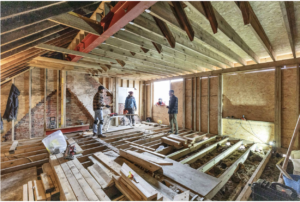
At Sussex Downs Construction, our design and build approach is about making the decision practical rather than overwhelming. We do not start with a favourite loft type. We start with the house.
We assess the roof shape, head height and likely staircase position.
We recommend the type of conversion that gives the best balance of space, budget and buildability.
We advise on planning permission where needed and shape the design around the property.
We manage the project through our loft design and build process so the result feels integrated with the rest of the home.
The Right Loft Conversion Depends On The House, Not The Trend
Hip to gable, dormer and roof light loft conversions all have their place. A hip to gable can unlock major room space where the side slope is holding the loft back. A dormer can create the most flexible new floor area whilst a roof light loft can be the smartest answer where the structure is already there and the aim is a simpler transformation. The key is matching the type of conversion to the property, then building it properly. That is exactly where our loft design and build expertise comes in.
If you enjoyed this, you may also like: https://sussexdownsconstruction.com/builders-in-brighton/
Interested in learning how a professional, local, design and build solution could help you out? Contact our team:
E: info@sussexdownsconstruction.com
T: 0753 984 0415
Or visit https://sussexdownsconstruction.com/contact-us/
Frequently Asked Questions About Hip To Gable vs Dormer vs Roof Light Loft Conversion
What Is A Hip To Gable Loft Conversion?
A hip to gable loft conversion extends a sloping side roof into a vertical wall, creating more usable internal space. It is commonly used on semi detached, detached and end of terrace homes where the original hip roof limits head height and floor area
What Is A Roof Light Loft Conversion?
A roof light loft conversion adds roof windows to the existing roof slope without significantly altering the roof shape. It is usually the simplest type of loft conversion and works best when the loft already has enough head height to create a comfortable room.
What Is The Difference Between A Hip To Gable And A Dormer Loft Conversion?
A hip to gable changes the sloping side of the roof into a vertical gable wall, while a dormer projects outward from the roof to create extra floor area and head height. In many cases, a dormer gives more internal volume, but a hip to gable can be the better starting point for homes with a hipped roof.
Is A Hip To Gable Better Than A Roof Light Loft?
A hip to gable is not always better, but it usually creates more practical living space than a roof light loft. A roof light loft is often better suited to homes that already have generous head height and do not need major structural changes.
Do You Need Planning Permission For A Hip To Gable Loft Conversion?
Some hip to gable loft conversions fall under permitted development, but not all do. It depends on the property type, the size of the extension, the location and whether previous alterations have already used up permitted development rights.
Do Roof Light Loft Conversions Need Planning Permission?
Roof light loft conversions often do not need full planning permission if the changes stay within permitted development rules. However, this can vary if the property is in a conservation area, if the roof windows project too far, or if special restrictions apply.
Which Loft Conversion Adds The Most Space?
A dormer loft conversion often adds the most usable space because it increases both floor area and head height. A hip to gable can also create a substantial increase, especially when combined with a rear dormer on the same project.
Is A Roof Light Loft Conversion The Cheapest Option?
In many cases, yes. A roof light loft conversion is often the most cost-effective option because it keeps the existing roof structure more intact. That said, it still needs proper insulation, access design and structural assessment to work well.
Is A Hip To Gable Loft Conversion Suitable For A Semi Detached House?
Yes, a hip to gable loft conversion is often very well suited to a semi detached house with a sloping side roof. It can make a major difference to the amount of usable room created and can improve how the new staircase and layout fit into the home.
How Do I Choose The Right Type Of Loft Conversion?
The right choice depends on your existing roof shape, available head height, budget, layout goals and whether you want the least disruption or the most extra living space. The best way to decide is to have the property assessed properly so the design is based on what the house can realistically achieve.


