
Loft conversions are one of the most popular ways to create more space without moving house, and one of our most frequently asked questions we get is do you need planning permission for a loft conversion. Since the structure is already there, many homeowners assume planning permission won’t be necessary, and in many cases, they’re right. If you want to unlock the hidden potential in your home, read on for a few bits to know first.
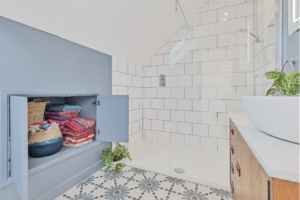
There may be many reasons why you need more space at home, whether it’s an extra bedroom, a new home office or even something fun like a games room or a library. Making your home work better for you is what we do at Sussex Downs Construction, and the good news is that many loft conversions fall under permitted development rights, meaning the formal planning permission process is not required. However, there are still rules and exceptions that are important to mention so you can understand before starting your project.
Quick Summary
A lot of loft conversions do not need planning permission because they fall under permitted development rights, but there are exceptions you should check like listed properties, size and height. Building regulations are different and just ensure your build meets safety standards. Loft conversions are an excellent way of adding more space to an existing property without having to compromise on outdoor space.
Why Loft Conversions Are So Popular
A big plus of a loft conversion is the ability to transform your home into something bigger and more suitable, without the sacrifice of precious outdoor space or the stress of moving home. For many homeowners, Loft conversions are the perfect solution when that extra space becomes essential.
An unused loft space can become almost anything, a peaceful master bedroom away from the chaos of the kids, a bright home office with gorgeous skylight views, or a cosy guest room where guests feel like part of the home with a bit of added peace and privacy.
Unlike some large renovations, loft conversions just feel like a natural extension of the house, especially when the care is taken to blend in with the character of the original property. With the addition of dormer windows or skylights, a conversion can bring in some much needed natural light to dark attic spaces, making ideal spaces for work or relaxing.
For many people, the extra space was already there, waiting to be reimagined into something that helps their home work better for everyday life.
Do All Loft Conversions Need Planning Permission?
Very simply, no. A lot of loft conversions will fall under permitted development, where formal planning permission is not required.
Permitted development allows a homeowner to make alterations without permission to their properties. These alterations will need to consider the impact on the environment around it and cause minimal disturbance.
Checklist: You Don’t Need Planning Permission
You shouldn’t need planning permission for loft conversions if the following points are covered.
- The type of home you own: Flats and maisonettes are not covered.
- Classification: The property cannot be listed or protected, or located in an area of outstanding natural beauty.
- Size: The total area of the new loft space does not exceed 40 cubic metres for terraced houses, or 50 cubic metres for detached or semi-detached houses. This includes previous loft conversions, even if you have not done them.
- Height: The extension does not exceed the height of the existing roof
- Materials: The materials used for the new roofing are an exact match or very similar to the original.
- Add-ons: No raised platforms or balconies to be added.
- Overhang: An extension beyond the plane of the existing roof slope of the principal elevation is not allowed. This is why a lot of extensions and dormers are added to the sides and back of a property.
You can read more in depth about the rules around permitted development here.
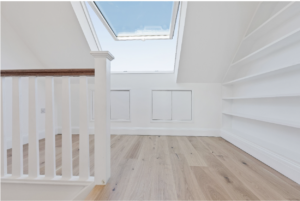
What About Building Regulations?
Building regulations are often confused with planning permission, but they aren’t the same thing. Simply put, building regulations ensure the health and safety of those who live in the house, and others around it when talking about loft conversions.
Building regulations usually cover things like staircases, height, structural integrity and fire safety. You can find more details about building regulations here. While building regulations may sound intimidating, they are simply there to ensure your new space is safe, comfortable and ready for everyday living.
It’s important to know about the different types of conversions you can have, and this will depend entirely on the existing space and roof you have. You can learn more about this here where we discuss hip to gable vs dormer vs roof light conversions.
Thinking About a Loft Conversion?
A loft conversion can completely transform the way a home feels and functions, creating that valuable extra space you need while letting you stay in the home you love.
While planning permission is not always required, understanding the rules and regulations early in the planning phase can help the process be much smoother and avoid any delays down the line.
At Sussex Downs Construction, we believe the best loft conversions are about much more than just adding space, they should feel thoughtfully designed and seamlessly connected to the rest of the home.
You can read more about loft conversions that make a big difference here on the blog.
Whether you are just exploring ideas for a future project or ready to take the leap, taking the time to understand your options is the best first step you can make.
If you enjoyed this, you may also like: House renovations in Brighton: how to reconfigure your home so it works better without needing to move
Interested in learning how a professional, local, design and build solution could help you out? Contact our team:
E: info@sussexdownsconstruction.com
T: 0753 984 0415
Or visit https://sussexdownsconstruction.com/contact-us/
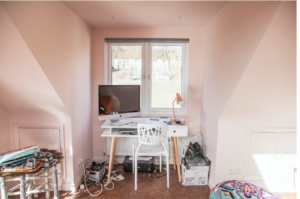
FAQs about do I need planning permission for a loft conversion
Do all loft conversions need planning permission?
No, many loft conversions fall under permitted development rights, meaning formal planning permission is often not required. However, this depends on factors such as the size of the conversion, the type of property and whether the home is listed or located in a protected area.
What is permitted development for a loft conversion?
Permitted development allows homeowners to make certain alterations to their property without applying for full planning permission. For loft conversions, this usually means the work must stay within specific size and design limits and avoid major changes to the existing roof structure.
Do Velux loft conversions need planning permission?
In many cases, roof light or Velux loft conversions do not require planning permission because they usually create minimal changes to the exterior of the property. However, the conversion must still meet permitted development rules and building regulations.
When is planning permission required for a loft conversion?
Planning permission may be required if the loft conversion exceeds permitted development limits, changes the height of the roof, includes balconies or raised platforms, or if the property is listed or in a conservation area.
Do loft conversions need building regulations approval?
Yes. Even if planning permission is not required, loft conversions must still comply with building regulations. These regulations cover important safety aspects such as structural integrity, fire safety, insulation and stair access.
Can a loft conversion add value to a home?
A well-designed loft conversion can add both valuable living space and property value. Many homeowners use loft conversions to create additional bedrooms, home offices or master suites without needing to move house.
What types of rooms can you create with a loft conversion?
Loft conversions are extremely versatile and can be transformed into a range of spaces including extra bedrooms, guest rooms, home offices, games rooms, libraries or peaceful master suites.
Do loft conversions make homes feel bigger?
Yes, loft conversions can completely transform how a home feels by adding usable living space, improving natural light and helping properties work better for modern family life.
Can listed buildings have loft conversions?
Listed buildings may still be able to have loft conversions, but they often require planning permission and additional approvals due to stricter regulations designed to protect the character of the property.
Is a loft conversion better than moving house?
For many homeowners, a loft conversion can be a more practical and cost-effective alternative to moving. It allows families to gain the extra space they need while staying in the home and area they already love.


